
History is a collection of dominoes, each waiting for a nudge. Sometimes the nudge is invisible- a gunshot in Sarajevo, a bank collapse in New York. Sometimes it’s a streak of fire in the sky over Tehran. One missile, one moment and the entire planet seems to hold its breath. Markets shiver, oil ticks upward and governments make statements that are read as prayers. Somehow, someone notices fuel prices and wonders why fragility feels so much closer today than yesterday.
We like to believe we control the world. Diplomacy, technology, economics- our tools of mastery. And yet, a single missile reminds us that control is a polite fiction, a mental costume we wear while chaos waits patiently in the wings.
The Artery of Civilization
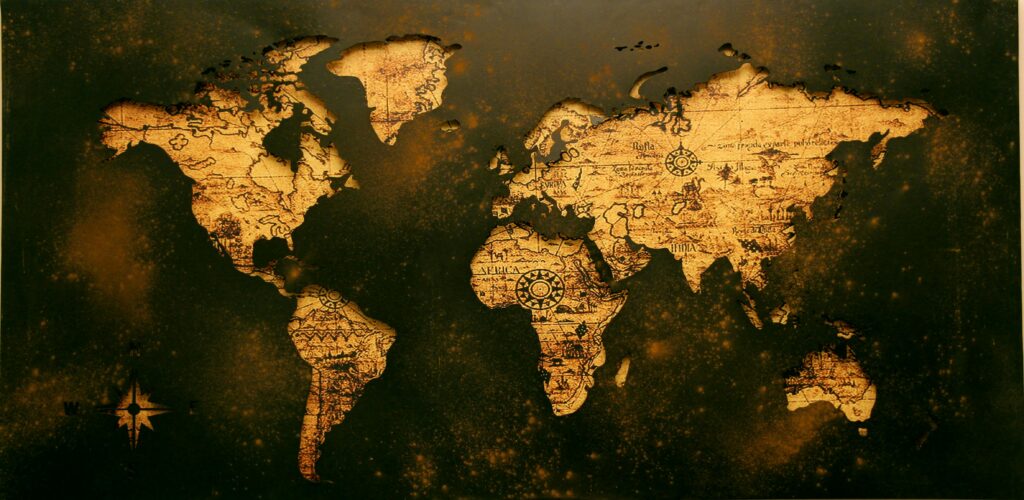
To understand the global tremor, look at geography: the Strait of Hormuz. Thirty-three kilometers of water, a corridor that carries roughly 20% of the world’s oil supply every single day. It is a vein pumping life into factories, airlines and cars across continents. Interrupt it, and civilization hiccups. Saudi Arabia, Iraq, Kuwait, the UAE, Qatar- they all depend on it. So do the rest of us, whether we know it or not. The modern economy is a spiderweb of delicacy. Pull one thread and the entire lattice quivers. A missile above Tehran doesn’t just flirt with politics. It flirts with survival.
Fear as Currency
Financial markets tell themselves stories of rationality, but humans live in emotion. Fear is a currency more volatile than oil. A flare of tension near Iran and suddenly safe assets rise like gold in a magician’s hand. Stock markets stagger. Future contracts, oil hovers above $90 a barrel and it doesn’t matter if the Strait is actually closed- uncertainty is enough. Fear travels faster that ships or satellites. It travels through minds.
A missile does not merely cross the sky. It travels through spreadsheets, trading terminals and eventually lands in the grocery store, the gas station, the utility bill.
Dominoes in the Age of Globalization
Wars used to have borders. Now they have timelines, algorithms and supply chains. One missile sets off a cascade: shipping routes suspended, oil supply tightens, energy price rise, market react, inflation spreads. Economists talk of thresholds- threaten one-fifth of global oil and you have created a planetary tremor. A regional war is no longer regional. It is planetary. The physics of conflict have been re-written. Geography is still real but so is immediacy. Satellites, servers and smartphones ensure that nobody sleeps through a crises unnoticed.

The Psychology Of Control
And yet, we persist in believing we can control it. Political leaders, investors, military strategists- we all believe we are the architects of outcomes. Psychologists call it the illusion of control. We overestimate our influence over systems too vast to grasp. The world is not a chessboard. It is a web. Pull one thread and the vibrations ripple everywhere regardless of strategy or intention.
Why do humans still wage war if consequences are so catastrophic? Tribal instincts, hardwired over millennia persist. Loyalty, honor, suspicion- these ancient algorithms override modern calculus. Missiles are modern- yes. But the emotions they trigger are archaic.
Economies Writ in Fear and The Quiet Victims
Fear amplifies everything. Investors flee to safety, gold glimmers, bond tighten. Markets react not to facts but to collective anxiety. Millions of minds humming with fear make the world twitch like poorly tuned instrument. And this is why the mere threat of closing a shipping lane is enough to rearrange economies thousands of kilometers away. Globalization is both miracle and trap. Supply chains connects continent, digital markets reacts in milliseconds but fragility is the shadow side of interconnection. One disruption can cascade across industries like dominoes tipped by invisible hands.
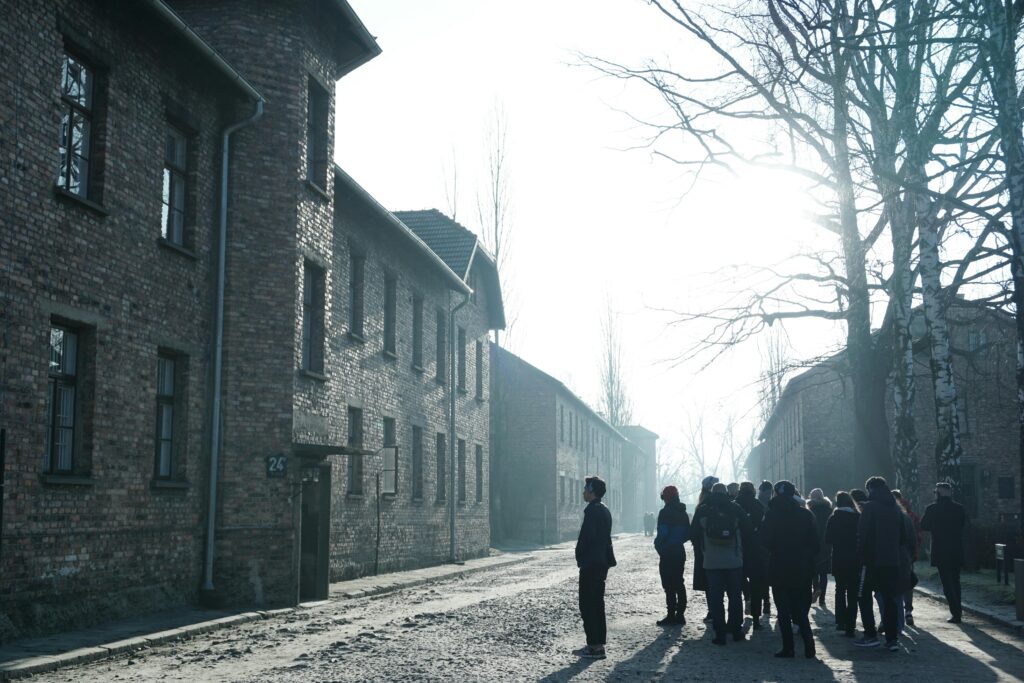
Amid the grand narratives of geopolitics, real lives ripple in silence. The truck driver who pays more for fuel. The small business struggling under rising costs. The airline passenger shocked by ticket prices. Wars are often framed in strategy and power, but the true ledger is measured in anxiety, inflation and uncertainty. A missile in Tehran does not pause at borders. Its shockwaves reach kitchens, workplaces and wallets. It reminds us that economics is human psychology in disguise. That every strategic calculation has a human footprint.
Tehran and The Myth of Predictability
Tehran today is not just a city. It is a reminder that complexity defies prediction. Economist model. Analyst forecast. Governments strategize. And then a missile rises and the reality laughs softly. Markets quiver. The planet inhales. The illusion of control evaporates.
This is civilization’s quiet lesson: we can play endlessly, but the future will always have moments where we are spectators, not directors.
Yet the deeper irony is this: the more sophisticated and predictive tools become, the more fragile our confidence grows. Economists build complex models, intelligence agencies track satellite images and markets run algorithms capable of processing millions of signals in seconds. And still, uncertainty slips through the cracks. A sudden escalation, a damaged tanker, or even a rumor of disruption in the Strait of Hormuz can send oil prices soaring and markets spiraling into volatility. Around one-fifth of the world’s oil normally passes through this narrow passage, meaning even the possibility of disruption can reshape global expectations overnight. In that moment, the carefully constructed illusion of predictability collapses and the world is reminded that beneath the spreadsheets and forecasts lies a system far too complex for absolute certainty.
Holding the Planet’s Breath
Modern conflict is immediate. Satellites, media and financial systems transmit tension globally in seconds. Anxiety becomes synchronous. The planet holds its breath. Waiting, watching and trembling in unison. And maybe, just maybe, there is a lesson beyond fear. Humility. Recognition that systems are fragile, that geography still matters and that the greatest challenge may be psychological not technological.
A missile in Tehran is a story told quietly but loudly. It reminds us that control is often illusion. That our interconnected world is delicate. That consequences of war no longer belong to one nation alone- they belong to all of us.
A missile rises, market shiver, lives adjust and somewhere the planet pauses….. and holds its breath. And perhaps this is where an older idea quietly returns- the one I once explored in The Nihilist Penguin: What a Viral Meme Reveals about Modern Disillusionment? That small, slightly absurd bird standing in the cold, staring at existence as if it had discovered something uncomfortable about reality. Because when markets tremble, when missiles rise and when the planet suddenly remembers how fragile it is, the penguin’s silent question feels strangely relevant again: were we ever really in control?