
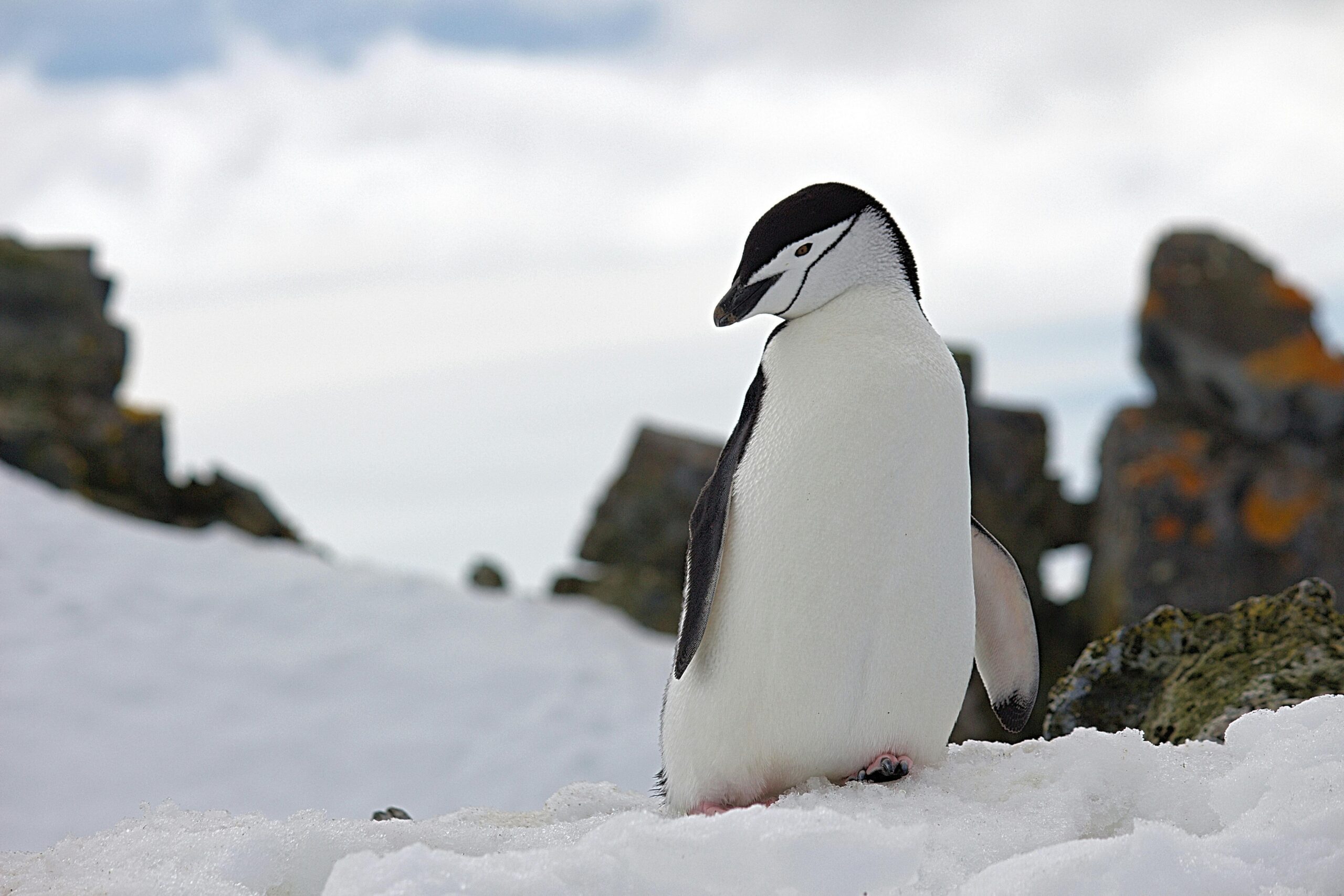
I woke up in the morning, groggy, hair sticking out in every direction and grabbed my phone, like I always do. Big mistake. Because the moment I unlocked my mobile screen….penguin, penguin, penguin!
Seriously! Everywhere I looked, the little flippered philosopher was staring back at me. On every single social media platform page- penguin, penguin. Some memes were funny, some were emotional, some had captions like, “Me walking away from adulthood” and some were… just penguin. Plain, walking and staring. I scrolled and scrolled, trying to understand the situation. Was this some kind of social media experiment I missed? A viral trend I accidentally slept through? Memes were combining this penguin with everything: heartbreak, office life, exams, even some brands trying to link the penguin to their sales. Yes, apparently, this penguin could sell anything. Need a toaster? Penguin. Feeling sad? Penguin.
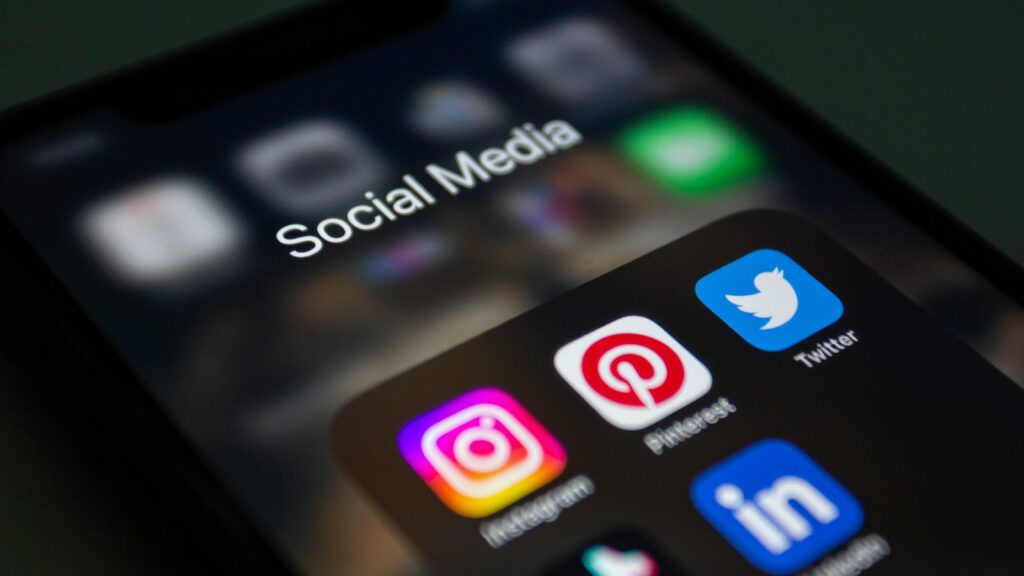
At one point, I started to feel like the penguin was personally stalking me. Every refresh brought another waddle of existential angst. Captions like, “Sometimes, you have to walk away from the colony to find yourself” popped up next to ads like, “The penguin loves our ice cream- and so will you?” I honestly didn’t know whether to cry, laugh or check if I was hallucinating. And then it hit me- maybe that’s the point. Why did the penguin walk away? Was it lost? Was it brave? or maybe just maybe it had seen too many humans scrolling endlessly on their phones and thought, “Nope, I am out, Find your own meaning.” I realized, this penguin had become more than a bird. It had become a mirror to our social media lives– a tiny flippered philosopher silently judging our scrolling habits, our obsession with trends and our tendency to turn anything to our content.
Table of Contents
Why the Meme is More than just a Bird?
Here’s the thing about the memes- they are deceptively smart. You laugh, scroll past and five minutes later realize, they have perfectly described your soul. The penguin is doing exactly that. It’s not just a bird. It’s a mirror. It reflects our modern life; the endless scrolling, the dopamine hits, the curated happiness we can’t reach and the quite sense that maybe…. nothing really matters and that’s okay. Psychologist might call this existential disillusionment. Basically, when your expectations of life- “be happy, successful, productive”- keep colliding with reality- “rent is due, social media is perfect, everyone else seems fine” – your brains learn a subtle coping mechanism: disengagement. Emotional flatness. Subtle Nihilism. And the penguin perfectly captures that. It does not scream despair. It just stands there, quietly judging the chaos, silently acknowledging, “Yeah, life is weird. Move along.”
Real Penguins Are Weirdly Relevant
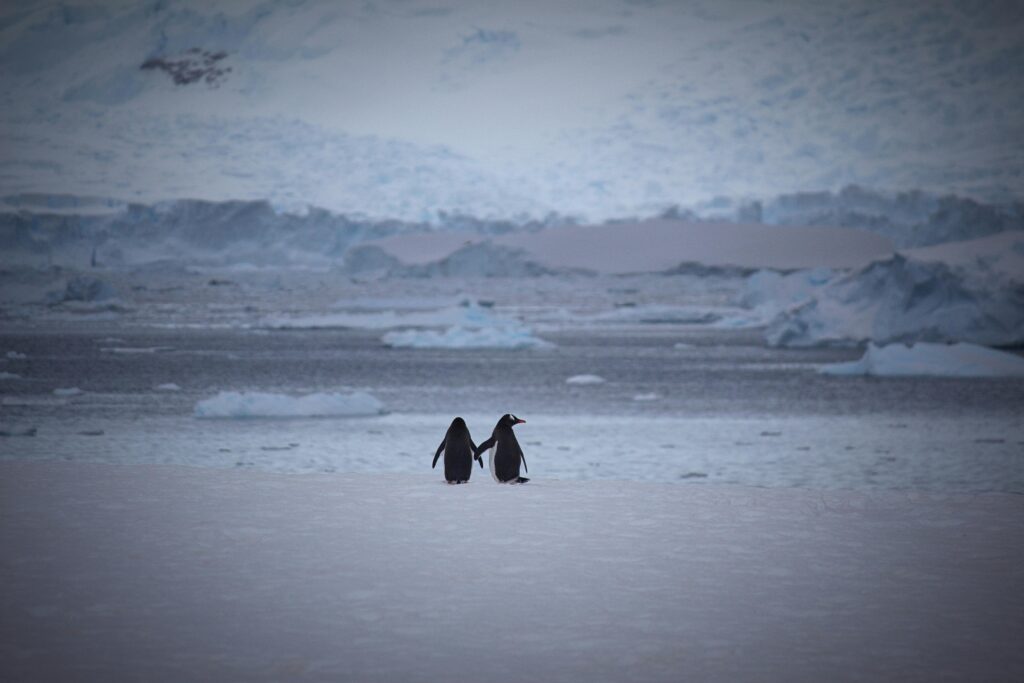
Fun Fact: penguins sometimes isolate themselves in the wild. They might wander alone to find food, avoid predators, or just rest. But when humans see penguin alone, it suddenly becomes a metaphor. The penguin leaving its colony? That’s us logging off for five minutes after scrolling through Instagram stories about someone’s else perfect life. That’s us taking a mental health day. That’s us needing to preserve our energy in a world that constantly asks for more attention than we give.
So yes, penguins aren’t depressed. But the meme takes their survival behavior and turns it into a philosophical statement: sometimes walking away is the only way to survive your social environment. Modern humans, ironically, are not so different. We just have Wi-Fi and existential dread.
Dark Humor as a Survival Mechanism
Another reason the penguin resonates? Dark humor, humans are weird. When things feel out of control, we laugh. When life is absurd, we make memes. When reality is exhausting, we create a tiny, flippered philosopher to represent our feelings. The penguin meme says: “Life is confusing, tiring, meaningless sometimes. And yes, it’s okay to feel that.” Sharing it becomes a silent admission. A communal sigh. It’s not about wanting to disappear or giving up. It is about recognition: “I see it. You see it. We are both awake at 2:00 am., scrolling memes about meaningless penguin walk and somehow surviving. And that, in itself, is comforting.

By the time, I had scrolled for what felt like an hour (but was probably five minutes), I realized something: the penguin isn’t funny. Not really. It’s not sad either. It’s a mirror. A reflection of our digital lives. A small, waddling philosopher silently critiquing our obsession with virality, likes and trends, while highlighting how emotionally fatigued we all are. Think about it: the penguin doesn’t perform. It doesn’t hustle. It doesn’t pretend to have its life together. It just exists. And somehow in a world that constantly demands we perform, optimize and overachieve, that is revolutionary.
Soft Nihilism and Modern Coping
Here is the thing: the meme doesn’t advocate despair. In fact, it subtly teaches something important. Psychologists call this soft nihilism- the quite understanding that nothing inherently matters, but you are still here, still alive, still surviving. The penguin’s walk away from the colony is not dramatic, not tragic. It’s persistence. It’s subtle rebellion. Modern human are learning this too. We don’t need grand meaning to survive. Sometimes, small, personal meanings- a hot cup of coffee, a funny tweet, five minutes away from our notifications- are enough. The penguin teaches us that stepping back, observing and preserving our energy is not defeat. It’s strategy. It’s survival. And sometimes, it’s the wisest choice we can make.
A bird meme became a cultural philosopher. The penguin is not telling us what to do. It’s silently holding up a mirror, forcing us to ask:” Why am I scrolling? What am I looking for? Why does leaving sometimes feel like the only option? ” It reflects both human social behavior and psychological reality. Humans like penguins, are social creatures, but survival sometimes requires isolation. Penguins huddle for warmth. We huddle in memes, online communities and shared sighs. We step away when we overwhelmed. We walk alone when necessary. And we return eventually, because we are wired to exist collectively- even if only virtually.
The lonely penguin feels strangely similar to those 2:00 a.m. moments, I once wrote about in The Great Idea Escape; Why Brilliant Ideas Come at 2:00 A.M and Disappear by Morning?– that magical hour when ideas arrive like lightening.
WHY?
Because the night is silent. No notification, no performance, no comparison, no colony. The penguin walking away from its group represents that same search for silence. It is not running away from life. It’s stepping away from noise. And just like our midnight ideas, that clarity often fades when daylight- and digital chaos- returns. It reminds me of something, Sylvia Plath once wrote:
“I took a deep breath and listened to the old brag of my heart: I am, I am, I am”
And maybe that’s why it resonates. Because in a world obsessed with productivity and performance, simply existing feels radical. And maybe, just maybe, we are all penguins on our own little mountains, chasing our 2:00 a.m. ideas, trying to hold onto them long enough for morning to understand them too. Because sometimes survival is not about doing more. Sometimes, it’s about stepping back.
Staying in silence.
And letting the idea- or yourself- survive till sunrise.