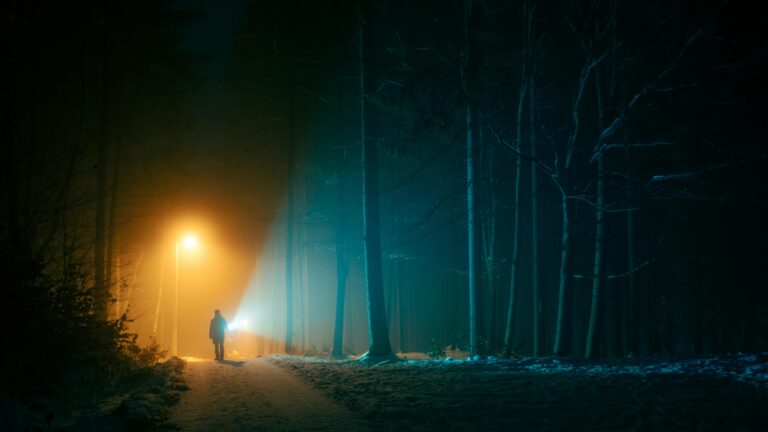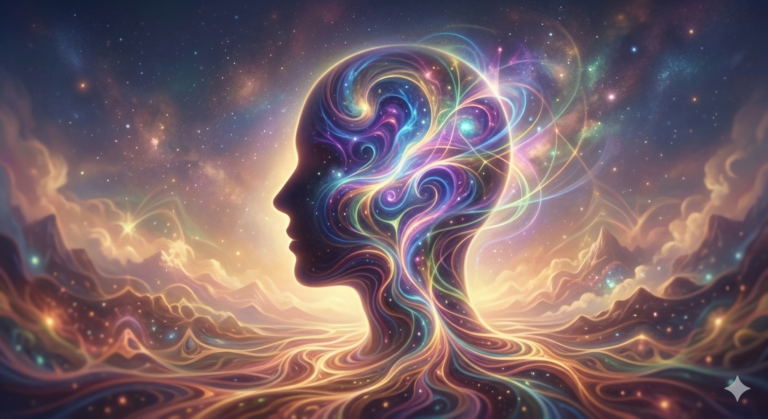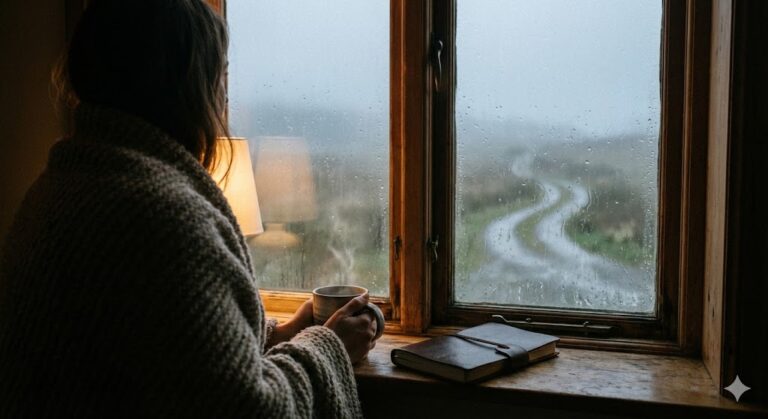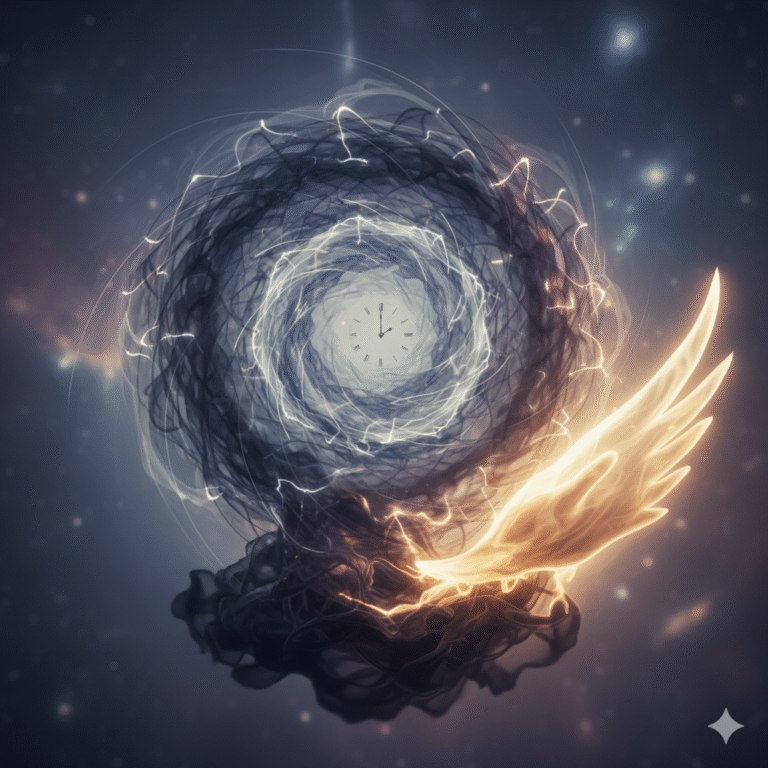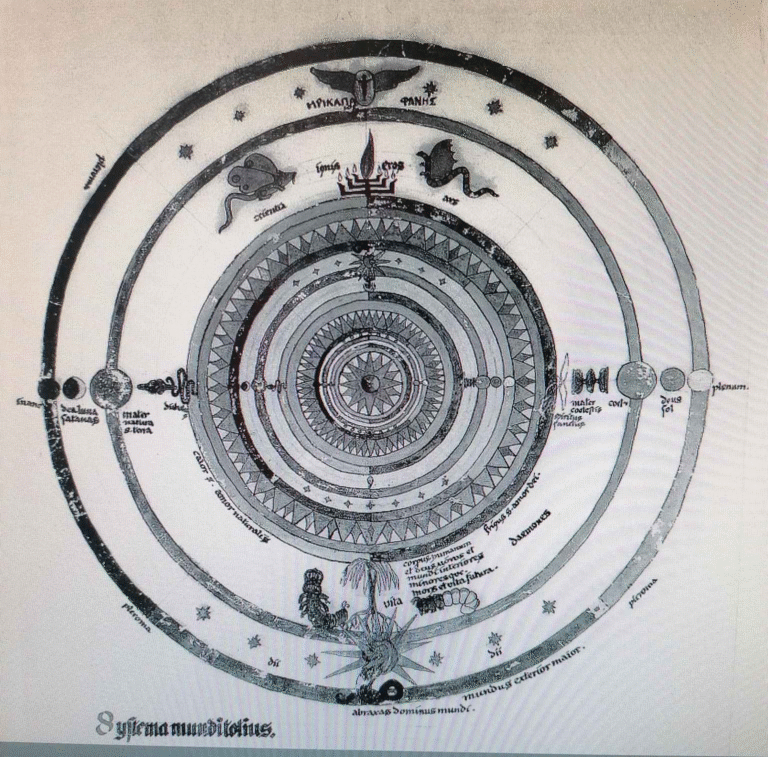

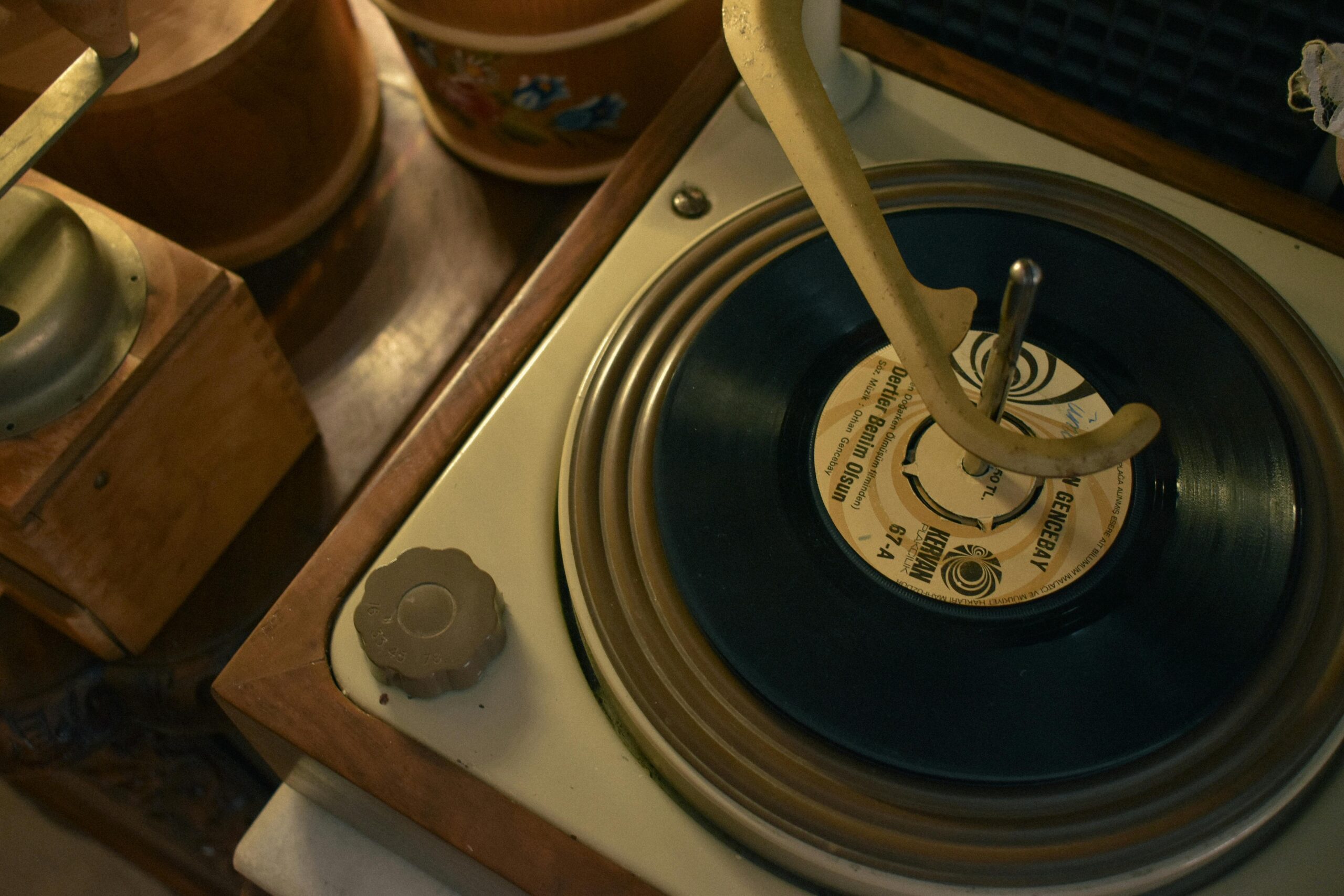
There is a peculiar habit deep inside human nature: we survive pain and then we turn it into poetry. The heartbreak that once kept us awake at 3 a.m. becomes a “beautiful chapter”. The years of loneliness slowly transform into nostalgia. Even the darkest seasons of life begin to glow softly in memory, like cities viewed from far away at night.
It is strange, isn’t it?
While suffering, we pray for escape. But once suffering leaves, we start visiting it again in our minds like an old hometown. Humans do not merely remember pain. They rewrite it. And perhaps this is one of the most fascinating psychological defense mechanisms ever created by consciousness. Because if memory showed us suffering exactly as it was, maybe we would never emotionally survive our past.
Memory is Not a Recording Device
Most people imagine memory as a storage room- a place where moments remain untouched. But psychologically, memory behaves more like a storyteller than a archivist. Every time we remember something, the bran subtly rewrites it. Emotions fade. Details blur. Meanings change. The human mind is less interested in accuracy and more interested in survival. This phenomenon is called memory distortion. And nostalgia is one of its most seductive products.

We remember rainy childhood afternoons but forget the boredom. We remember old friendships but not the silent resentments. We remember “simpler times” while conveniently ignoring the anxieties we carried during them. The past becomes edited, softened and cinematic. Like an old film covered in dust and golden light. Perhaps this is why humans often miss periods they once desperately wanted to escape. University students miss school. Workers miss university. Adult miss childhood and old people sometimes miss struggles that nearly destroyed them. Not because suffering was pleasant- but because distance changes emotional temperature.
Pain viewed closely burns.
Pain viewed from afar glows.
Nostalgia: The Brain’s Gentle Lie
Nostalgia is often described as warmth. But beneath that warmth lies grief. At its core, nostalgia is the realization that time is irreversible. You are not merely missing a memory. You are mourning a version of yourself that no longer exists. The old room still exists somewhere. The school building still stands. The songs still play online. But the person who experienced them is gone forever. And that is what truly hurts.
“You can never go back to the same place twice, because you are no longer the same person.”
This explains why humans romanticize suffering after it passes. The pain becomes proof that a certain version of us once lives. The lonely teenager, the struggling student and the dreamer who stayed awake imagining impossible futures. We miss them because they disappeared quietly.
Not with funerals, not with goodbyes- but with time.
The Poetry of Survivable Pain
Humans only romanticize pain they survived. No one romanticizes drowning while underwater. The beauty appears afterwards. Once suffering becomes memory, the mind starts transforming chaos into narrative. And narrative gives pain meaning, This is why artists, poets and philosophers continuously return to sorrow. Not because suffering is inherently noble- but because suffering forces consciousness to look inward. Happiness often distracts. Pain interrogates. A comfortable mind rarely asks profound questions. But heartbreak, uncertainty, loneliness and grief crack open the human interior. Suddenly, people begin asking:
- Who am I?
- Why am I here?
- What makes life meaningful?
- Why does time move so fast?
- Why do humans lose everything they love?
Suffering turns ordinary people into philosophers. Perhaps this is why so much beautiful art emerges from wounded minds.
The Mind Protects Itself With Meaning
One of the cruelest realities about human existence is that the brain cannot tolerate meaningless suffering for long. If pain has no meaning, it becomes unbearable. So, the mind creates stories.
“The heartbreak made me stronger.“
“That difficult year taught me resilience.”
“I became wiser because of that happened“
Sometimes these narratives are true. Sometimes they are emotional survival mechanisms. But either way, they help us continue living. Humans are storytelling creatures pretending to be logical ones. Without meaning, suffering becomes chaos. With meaning, suffering becomes transformation. That is why people write memoirs about painful years instead of ordinary Tuesdays. Pain leaves fingerprints on identity.
Why Sad Music Feels Comforting
There is another strange phenomenon: humans often seek sadness voluntarily. Sad songs, melancholic poetry, tragic films and rainy aesthetics. Why? Because controlled sadness feels safe. When pain is transformed into art, it becomes manageable. Predictable. Music allows us to revisit emotions without being destroyed by them. A heartbreak inside reality feels unbearable. A heartbreak inside a song feels beautiful.
This explains why people replay songs connected to painful memories. They are not trying to suffer again. They are trying to reconnect with a former self. Once I have read somewhere, “And in the end, we loved the sadness because it proved we had once loved someone deeply.”
Nostalgia Is A Response to Morality
Deep down, nostalgia is not about the past. It is about death. Not physical death alone- but the constant death of moments. Every conversation disappears the second it ends. Every season dissolves into memory. Every version of ourselves quietly dies with time. Human beings are the only creatures fully aware of impermanence. And that awareness creates existential terror. Perhaps nostalgia exists because consciousness needs reassurance that life truly happened.
Old photographs become evidence. Old messages become fossils. Old songs becomes emotional time machines. We revisit pain because pain feels real. Pleasure fades quickly. But suffering carves itself into memory with astonishing precision. Maybe this is why people remember painful years more vividly than the peaceful ones. The brain treats suffering as important.
Romanticizing Pain: Dangerous Side While Internet Turned It Into Aesthetic
Yet romanticizing suffering also carries danger. Sometimes people become emotionally attached to sadness because it feels familiar. Healing can feel uncomfortable after years pf emotional chaos. Some individuals unconsciously sabotage peace because peace feels empty compared to intensity. This is why certain people repeatedly return to toxic relationships, destructive habits or emotional instability. The nervous system begins associating pain with identity. Without suffering, they no longer know who they are. This is one of the darkest psychology traps. Because eventually, pain stops being a visitor and becomes a home. And homes are difficult to leave.
“Beware that, when fighting monsters, you yourself do not become a monster.”
-Friedrich Nietzsche
Modern culture has intensified this phenomenon. Today, sadness is no longer merely experienced. It is curated. People transform loneliness into Instagram captions. Heartbreak into playlists and existential exhaustion into dark humor. Entire online aesthetics are built around emotional collapse. “Sad girl autumn.” , “Doom scrolling at 2 a.m.” – the internet has taught people how to package suffering beautifully. And perhaps this reveals something unsetting about modern humanity: People no longer only want to feel emotions. They want to perform them. We are becoming archivists of our own pain. Documenting it, editing it and romanticizing it in real time.

The truth is, humans do not actually miss suffering itself. They miss: who they were, what they hoped for and the strange aliveness that intense emotions created. Pain sharpens existence. Perhaps humans romanticize pain because memory is merciful. If we remembered suffering exactly as it happened, life might become unbearable. So the mind softens the edges. It wraps grief in nostalgia. Covers loneliness with golden light. Transform heartbreak into wisdom. And maybe this is not weakness. Maybe this is how consciousness survives itself. After all, humans are fragile creatures cursed with memory and awareness of time. We know everything disappears. We know every beautiful moment is temporary. We know every person we love will someday become a memory.
And perhaps this is why so many people eventually become strangers to their own past. The place remain the same, the streets still breath with familiarity, yet something essential inside us has shifted beyond return. Like I explored in A Stranger In a Place, That Once Felt Like Home, sometimes the deepest loneliness comes not from losing a place- but from realizing you can no longer become the person who once belonged there. Yet somehow, despite the unbearable knowledge, humans continue loving, dreaming, creating art, writing poetry and remembering old pains with tenderness. Perhaps that is the most human thing of all. To suffer deeply…. and still find beauty in the ruins afterwards.